
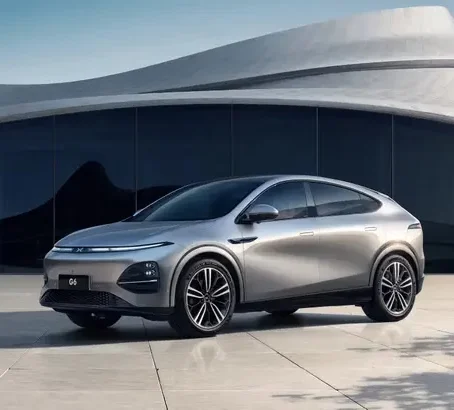
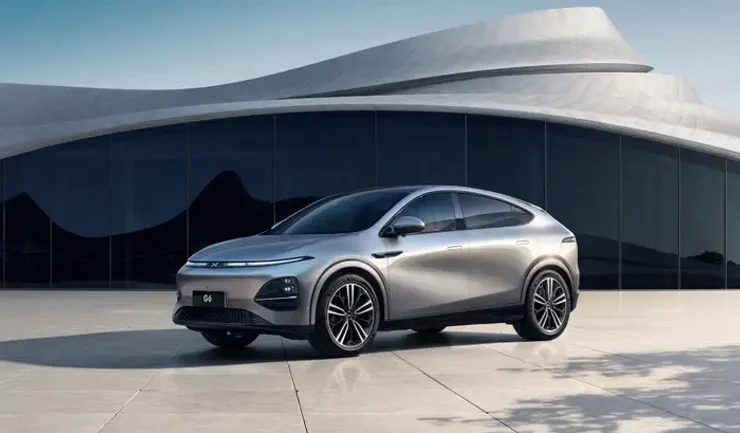
At Flexdoc, we’re often asked whether it’s worth switching to electric vehicles for business fleets. It’s a conversation we hear daily from self-employed professionals who track every dollar and think two steps ahead. Choosing the right fleet isn’t just about what you drive—it’s about how much you keep.
Running Costs: Why EVs Come Out Ahead
The average Aussie business vehicle travels about 15,000 km each year. At 14 cents per kilometre for petrol, that adds up to $2,160 in fuel. Swap that for a fleet electric vehicle running at 4 cents per kilometre, and the cost drops to around $600. That’s a saving of $1,560, per vehicle, every year.
Maintenance tells the same story. EVs have fewer moving parts and lower servicing needs. While petrol cars average 7 cents per kilometre in upkeep, EVs come in closer to 2 cents. That’s another $750 back in your pocket each year. Add that up across a fleet, and the advantage is clear.
The Upfront Cost Pays for Itself
It’s true—fleet electric vehicles cost more upfront. You might pay 20 to 40 per cent more than a petrol equivalent. But with annual savings of $1,500 to $2,000, most businesses recover that gap within three to five years. After that, every kilometre you drive adds to the bottom line.
Tax Wins: FBT Exemption for EVs
The Fringe Benefits Tax (FBT) can sting at 47 per cent. But the ATO gives a break to businesses that choose fleet electric vehicles. Battery EVs (and hydrogen fuel cell vehicles), first held and used from 1 July 2022, are exempt from FBT—so long as they stay below the luxury car tax threshold. That includes running costs like insurance, rego, and charging.
Plug-in hybrids qualify for the same exemption, but only until 1 April 2025—and only if the benefit is already in place before then.
Financing Smart: Protect Your Borrowing Power
That extra $15,000 up front? At 8 per cent interest, it’s about $100 per week in repayments. Lenders typically scale those repayments by six when calculating how much you can borrow. That could reduce your borrowing capacity by up to $60,000.
That’s where smart structuring matters. We help Flexdoc clients balance deposits, loan terms, and repayments so their borrowing power stays intact—ready for the next investment.
Bottom Line
Fleet electric vehicles are no longer a luxury or a gimmick. They’re practical, profitable, and built for business. The cost savings are real. The tax benefits are strong. And the finance can be structured to fit your cash flow, not crush it.
When you’re ready to compare your options, Flexdoc can guide you through the numbers, structure the loan properly, and keep you moving forward—on your terms.