
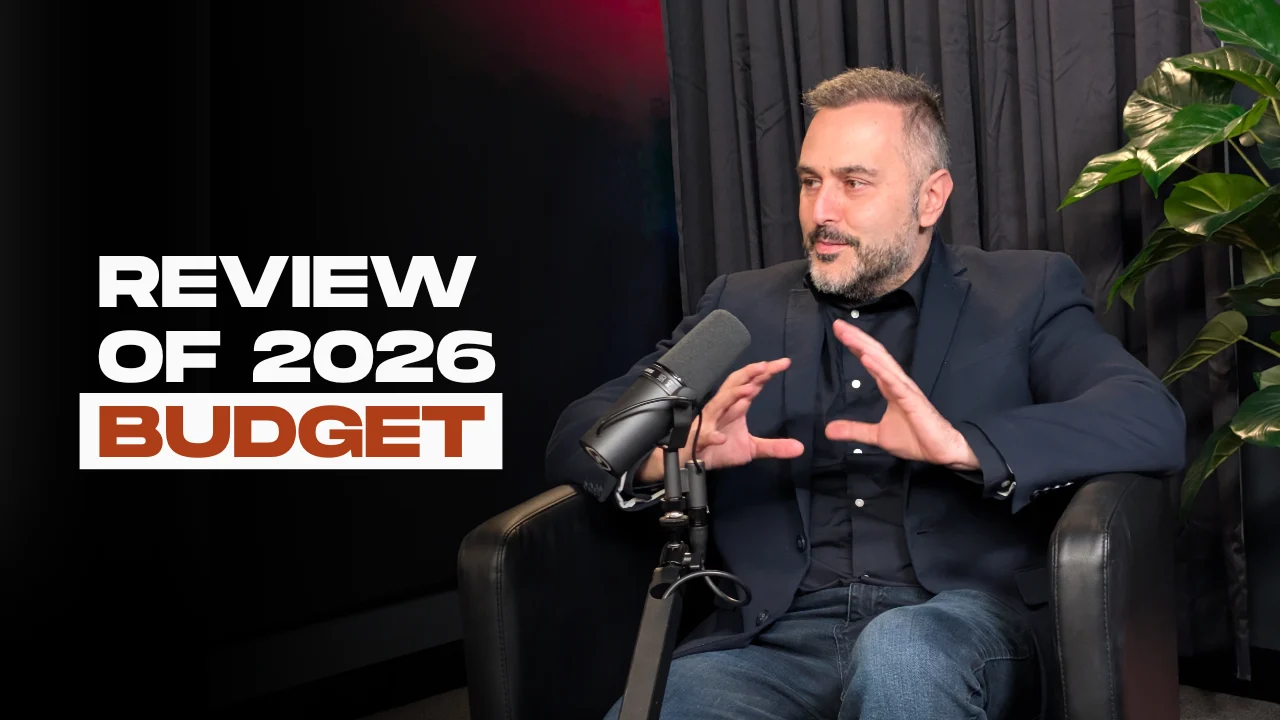
Property investors should avoid getting caught up in headlines surrounding the Federal Budget, with the core principles of long-term investing remaining unchanged, according to Peter Esho, founder of Flexdoc.
Esho said much of the public debate around negative gearing and capital gains tax had created unnecessary noise, despite only marginal changes to tax settings being proposed.
“Despite all the headlines, social media commentary and political noise, nothing fundamentally changes for long-term property investors,” Esho said.
Existing incentives locked in
He noted that existing property investors would continue to retain their current negative gearing arrangements under grandfathering provisions.
“Existing investors have effectively locked in their current settings. Those benefits remain in place unless they choose to sell,” he said.
Esho added that future investors would still have pathways to access negative gearing, particularly through newly built property, while many investors purchasing established property were already more focused on cash flow and yield rather than tax deductions alone.
“Most investors buying existing property are chasing strong cash flow assets anyway. Negative gearing is less important when the investment is producing income,” he said.
New changes have transitional phase
Under the proposed changes, capital gains tax settings would also largely remain intact until mid-2027, with any future adjustments applying only from that point onward.
“Tax settings will always evolve over time. That’s nothing new. The reality is that property investing has always been about acquiring high-quality assets and holding them for the long term,” Esho said.
“The best way to pay zero capital gains tax is to never sell.”
Advisers to seek alternative arrangements
Esho believes the changes could accelerate interest in alternative ownership structures, including company ownership and self-managed super funds (SMSFs), as investors and advisers adapt to the evolving environment.
“We may see more investors explore company structures or SMSFs moving forward. Advisers will adapt quickly, as they always do,” he said.
He also pointed out that Australia’s primary place of residence exemption remained untouched, preserving one of the country’s most significant tax advantages for owner-occupiers.
“The show goes on. Budgets will come and go, tax rates will move up and down, but long-term investing principles remain the same,” Esho said.
Peter Esho is the founder of Flexdoc, a Sydney-based property finance business specialising in investment and SMSF lending solutions for self-made Australians.