
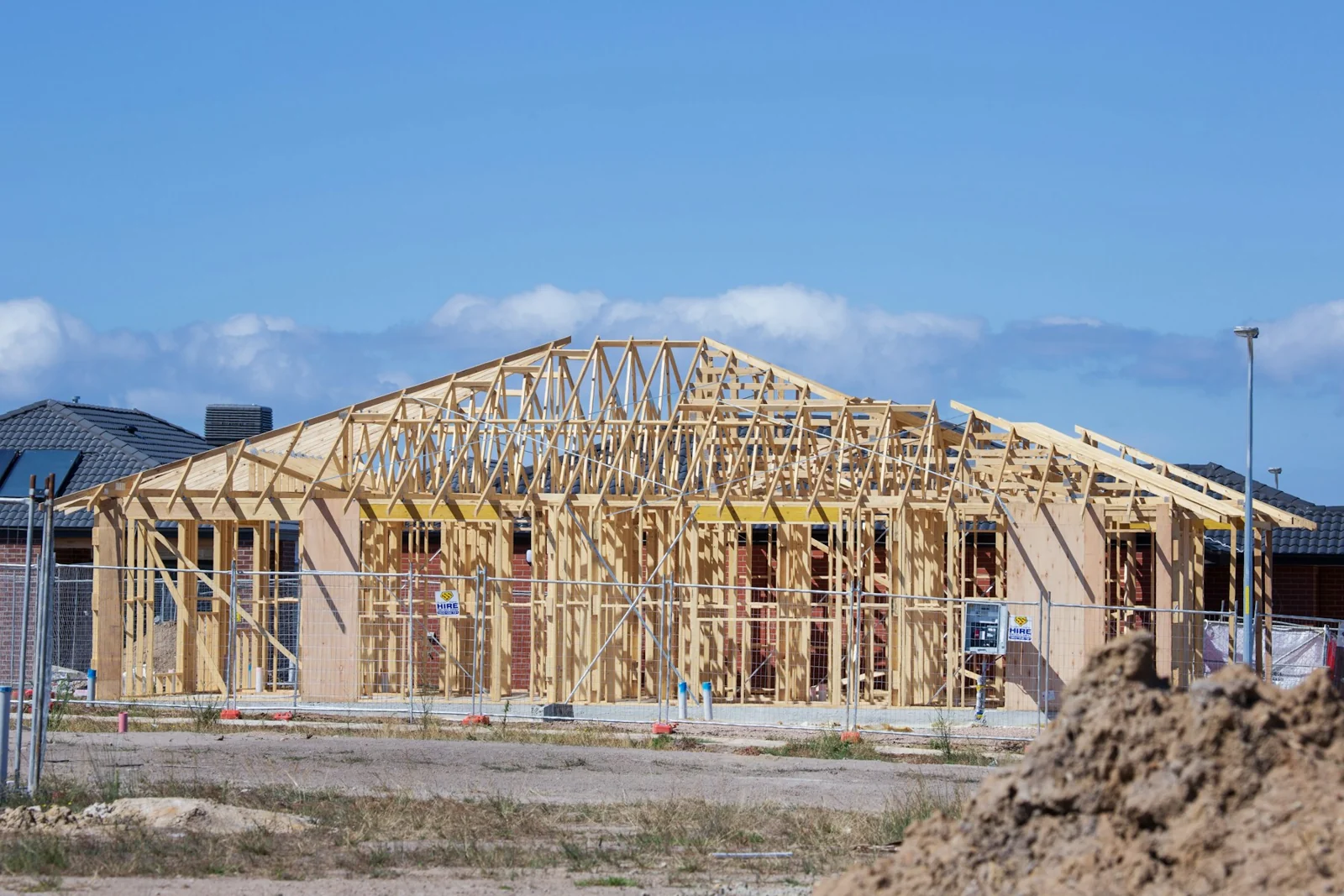
The rent keeps coming out of your account while the new house is still a slab. Then the builder finishes another stage, more loan funds are released and the cost of carrying the project climbs. For someone building their next home, that overlap can be harder to manage than the repayments on the finished property.
There are construction finance options that postpone out-of-pocket loan repayments. Flexdoc can discuss an option that offers eligible borrowers a pause of up to 12 months on both land and construction finance, using an approved builder.
That can give a household useful breathing room. The decision is whether the cash retained during the build is worth the extra debt carried afterwards. Interest still accrues, even while repayments are paused.
How the repayment pause works
With a conventional construction loan, funds are usually released as work progresses. You commonly pay interest on the amount already drawn, rather than the whole approved construction limit. Each new stage can therefore increase the interest bill, just as you are paying for somewhere else to live.
A repayment-pause option changes when you pay that bill. Instead of meeting the interest from your bank account during the eligible period, it is added to the loan and repaid over the remaining loan term, or sooner if you choose. The building work still needs funding, and you still owe the money.
A construction option worth investigating
If rent or an existing mortgage would stretch your budget during a new build, Flexdoc can assess a construction option with up to 12 months of paused out-of-pocket repayments. The pause covers eligible land and build finance and begins at loan settlement. An accredited builder and an eligible project are required, alongside the lender’s normal credit assessment.
The trade-off is a higher debt balance from the interest added during the pause. Before choosing it, ask for the projected balance and repayment when the pause ends, not just the amount you avoid paying today.
You will also need money for your deposit and purchase or building costs not covered by the loan. A repayment pause does not turn the whole project into a cash-free purchase.
The date that matters is settlement
The pause runs from loan settlement, not from the day the builder starts work. That distinction deserves attention before you commit to land with a long wait until construction can begin.
Imagine a loan settling in March, with building starting in June. On a 12-month pause, those first three months have already used part of the available period. You do not get another full year when the slab goes down. This is a timing illustration, not a promised construction schedule.
A delayed build can also mean repayments start before the house is ready. Put the repayment restart date beside the builder’s expected completion date and allow for the possibility that they do not line up. For an investment property, allow for a gap between completion and the first rent payment as well.
The available option allows borrowers who finish early to start normal repayments or use the remainder of their eligible pause. Starting sooner may be worth considering once the rent or other housing overlap has ended, rather than automatically adding more interest to the loan.
Compare the debt you finish with
A lower cash outlay during construction is easy to see. The later cost needs to be made equally visible.
As a simple illustration, if $650,000 has been advanced for the land and build and a further $20,000 of interest is added during the pause, the balance becomes $670,000 before any additional financed fees. The $20,000 is an assumed amount, not a rate quote or forecast. Actual interest depends on the rate, drawdown dates, balances and how long the pause lasts.
Ask for a comparison using the same property, building price and expected progress-payment dates. One version should show paying construction interest as it falls due. The other should show the pause, the interest added and the repayments afterwards. Include upfront, ongoing, valuation and construction-related fees, together with the remaining loan term.
This reveals whether the pause preserves a useful emergency buffer or simply pushes an unaffordable commitment into the following year. A loan that only works while you are making no repayments is not a sound building budget.
Check the builder before committing
This option is tied to an accredited-builder framework. Do not assume your preferred builder or project qualifies, or that you can select the finance after signing any building contract. Get the builder and proposed home checked early, while you still have choices.
Accreditation is not a guarantee that construction will finish on time. Review the contract’s inclusions, variation process and payment schedule with appropriate professional advice. For NSW projects, the government’s building-contract guidance explains why progress payments should match completed work and why variations need attention.
If you are self-employed, your income evidence is a separate question. Our low-doc construction guide explains some alternative documentation routes, but those products should not be assumed to include this repayment pause.
Before signing, bring Flexdoc the land details, builder’s quote, expected dates and the housing costs you will continue paying. Ask us to compare the cash you need during construction, the debt at the end of the pause and the repayments if completion is delayed. You can arrange a conversation here.
The useful outcome is a build you can afford through to completion and beyond, rather than a quiet first year followed by an unpleasant repayment surprise.
General information only, not a loan offer or personal advice. Product eligibility, fees and terms apply.