
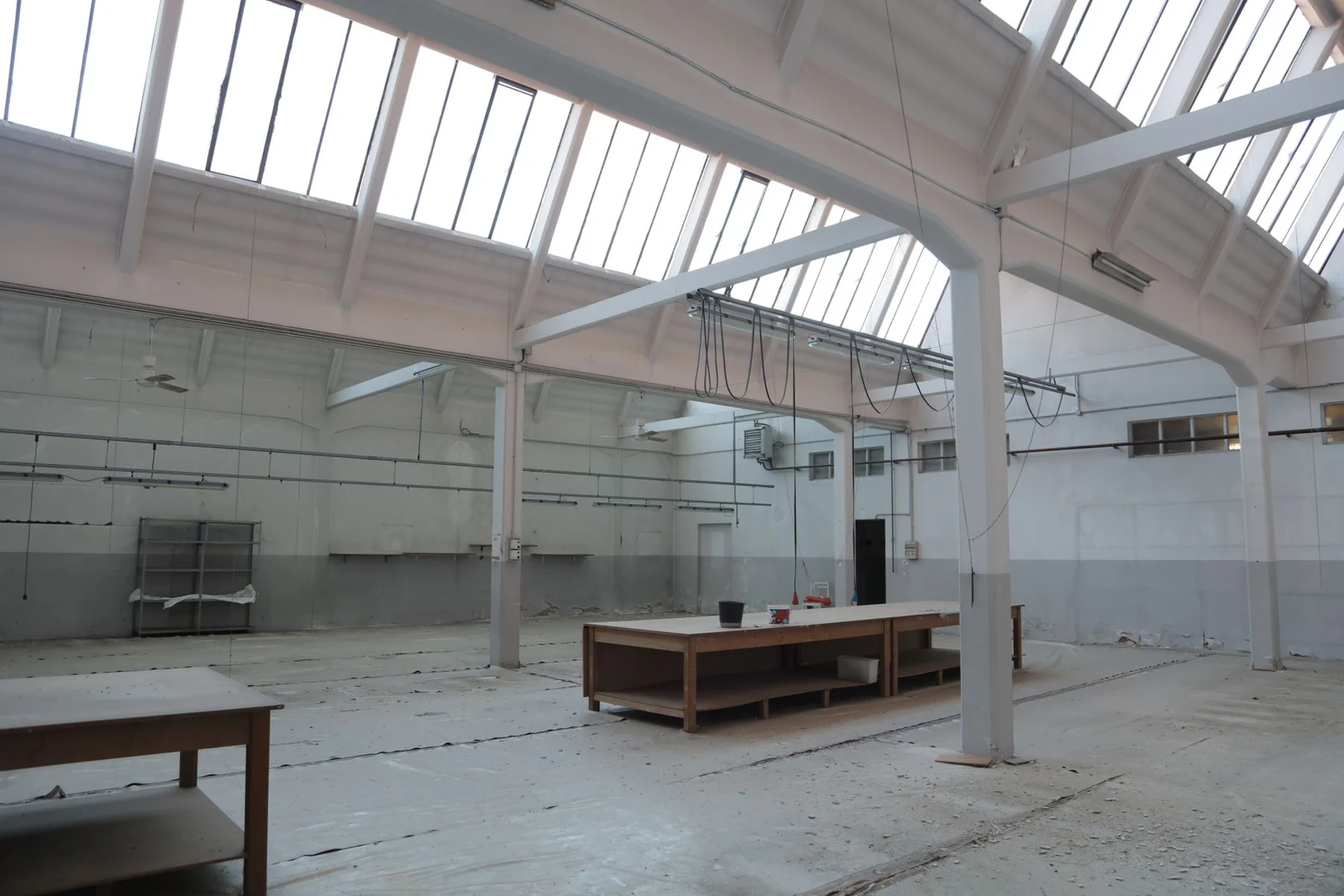
An empty warehouse can look like an opportunity. You can move your business in, choose your own tenant or improve the building without working around an existing occupier. The missing tenant also means missing rent.
That makes the first finance question straightforward: what will meet the repayments from settlement until the property starts doing what you bought it to do?
Buying a vacant commercial building is not the same as buying vacant land. Nor is it the same as buying a tenanted investment. Put the actual property and income plan in front of the lender before relying on a borrowing estimate.
Who will use the building?
If your business will occupy the premises, start with the business's ability to carry the purchase. Owning may replace rent, but it also introduces repayments and ownership costs. If you need work done before moving in, there may be a period when the existing rent and the new costs overlap.
Our buy-or-lease comparison helps frame that decision. The useful number is the cash your business retains after the move, including the period before it can operate normally from the new address.
If you are buying as an investor, a selling agent's rental estimate belongs in your planning, but it is not an executed lease. Ask the proposed lender whether it can assess the purchase without existing rent, what other income it would require and whether a tenant must be in place before settlement. Do not assume an expected future tenant solves today's funding question.
Choose an income route that matches reality
La Trobe Financial Commercial Full Doc is a route to investigate when you can substantiate income through employment or business financials. Its published property purposes include buying offices, shops and warehouses. That establishes a possible starting point, not acceptance of a vacant building. Ask for the exact address, intended use and no-rent scenario to be assessed before paying for a valuation.
For a self-employed buyer without full current financials, La Trobe Commercial Lite Doc lists an accountant's letter and borrower declaration in its product requirements. It is worth asking whether that evidence route fits your circumstances. It does not remove the need to establish repayment capacity or confirm that the property is acceptable.
The distinction matters because a lease-based application starts somewhere else. Brighten Commercial Lease Doc requires a current lease agreement and a statement of position. An empty building with no lease does not supply that evidence. Do not treat a rental appraisal as interchangeable with a signed tenant commitment.
Our commercial documentation guide explains these different starting points. Choosing the route first can prevent you spending time on a product built around income your property does not yet generate.
Fund the wait as well as the purchase
Build a separate holding budget before deciding your maximum price. Include repayments, rates, insurance, strata costs if relevant, essential repairs and the costs of finding or accommodating a tenant. Ask your advisers which costs you would retain during vacancy and which might later be recoverable under a lease.
Then test a delay. As a hypothetical planning exercise, if your own estimates put the shortfall at $7,000 a month, a six-month delay needs $42,000 before allowing for unexpected works. Those are assumed inputs, not a forecast of a normal vacancy period. Substitute the property's actual costs and a delay you can afford to withstand.
Do not count the same cash as both deposit and vacancy reserve. The commercial purchase checklist helps separate the settlement money from what needs to remain available afterwards.
Resolve the empty-building question before the offer
Send the broker the address, sale information, proposed use, available income records and a holding budget. Ask for a clear answer to three questions: can the lender consider the building while vacant, what income will it use, and what conditions must be satisfied before funds are released?
Have your solicitor advise on contract protections and due-diligence timing. If approval requires a lease you do not yet have, treat that as an unresolved condition rather than a minor document to collect later. The opportunity is worth judging on the cost of waiting for income, as well as the price of the building.